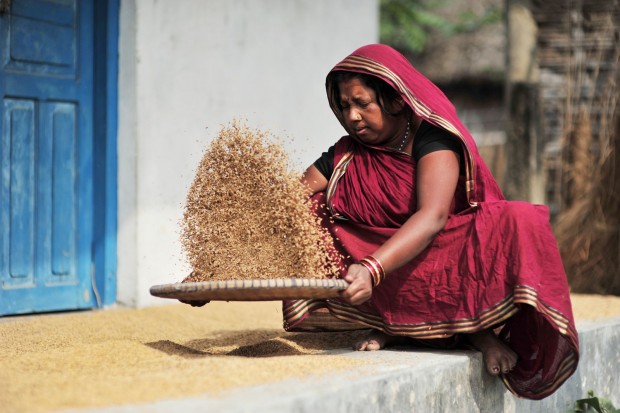
Ethnic and Cultural Diversity of Nepal
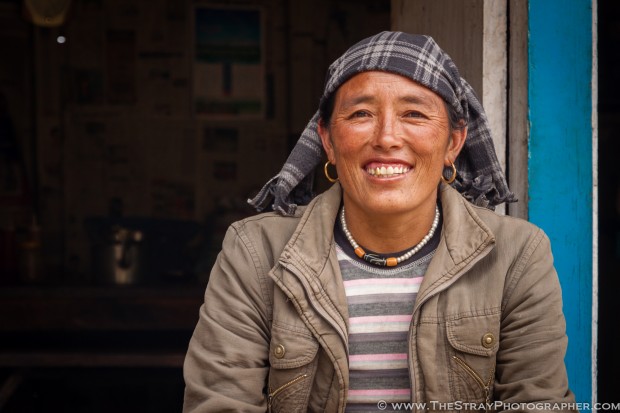
The population of Nepal was recorded to be about 26.62 million according to a recent survey by the Central Bureau of Statistics, Nepal. The country is home to over 101 ethnic groups speaking more than 92 languages.
Although there are numerous dialects, the unifying language is Nepali — the official language of the state, spoken and understood by the majority. Many ethnic groups, however, maintain their distinct mother tongues.
English is also widely used in government, business, and private education sectors, especially in urban centers such as Kathmandu.
Northern Himalayan People
The northern Himalayan region is home to Tibetan-speaking groups such as Sherpas, Dolpa-pas, Lopas, Baragaonlis, and Manangis. The Sherpas inhabit the Solu and Khumbu regions; the Baragaonlis and Lopas reside in Upper and Lower Mustang; the Manangis are from the Manang district; and the Dolpa-pas live in the remote Dolpa region of western Nepal.
Middle Hills and Valley People
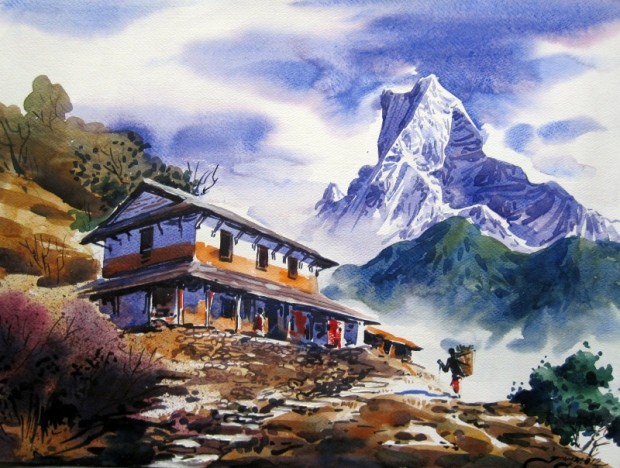
The middle hills and valleys are inhabited by diverse ethnic communities including Magars, Gurungs, Tamangs, Sunuwars, Newars, Thakalis, Chepangs, Brahmins, Chhetris, and Thakuris. Occupational castes such as Damai (tailor), Sarki (cobbler), Kami (blacksmith), and Sunar (goldsmith) also form integral parts of these societies.
Ethnic Diversity in the Kathmandu Valley
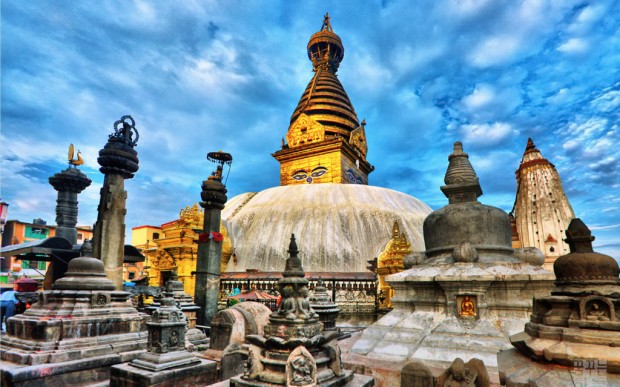
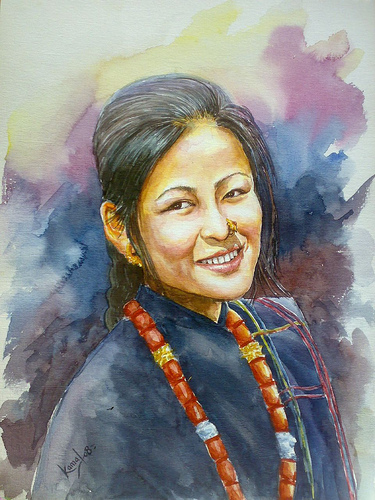
Kathmandu Valley represents a cultural melting pot of Nepal, where people from diverse backgrounds coexist harmoniously. The native inhabitants, the Newars, practice a unique blend of Hinduism and Buddhism. Historically, the Newars were renowned as skilled traders and farmers.
Terai People
The Terai plains are primarily inhabited by groups such as Tharus, Darai, Kumhal, and Majhi, who speak north Indian dialects like Maithili and Bhojpuri.
Due to the region’s fertile soil, most of the population is engaged in agriculture. Traditional occupations include fishing (Majhi), pottery (Kumhal), and cart driving (Danuwar).